“It’s the UAE, we don’t need heaters for an outdoor event.”
Desert winters catch hosts off guard every year. From late November through February, evening temperatures in Dubai, Abu Dhabi and Sharjah routinely slide into the 12 to 16°C range, and coastal humidity makes it feel colder still. Guests in cocktail attire notice within twenty minutes. So do brides in sleeveless gowns, and CEOs at rooftop launches. The good news is that heating an outdoor venue in the UAE is a solved problem, once you get past the folklore around it. Below are the five myths that cost event organisers the most money, comfort, or both.
Myth 1: The UAE is warm enough that heaters are optional
The daytime average in a Dubai January hovers around 24°C. That number is comforting on a spreadsheet and misleading in real life. According to the climate of the UAE night lows regularly drop into the low teens, and desert venues in Al Ain or the Liwa dunes can approach single digits after sunset. Add a light breeze off the Gulf and the perceived temperature falls another few degrees.
For a seated dinner running from 7pm to midnight, that means guests spend the entire event in the coldest slice of the day. Skipping heating to save budget almost always shows up later as thin attendance on the dance floor, shortened speeches, and unhappy vendors.
Reality 2: Gas heaters are not the ugly mushrooms you remember
The mental image most people carry is the tall, dented, silver mushroom from a decade ago. Today’s rental market looks nothing like that. Pyramid-flame towers with clear glass tubes double as lighting features. Matte-black bollard styles slot cleanly into modern venues. Even the classic dome design now comes in bronze, copper and matte white finishes that vanish into upscale decor.
A single gas patio heater typically covers a radius of about three metres, which is plenty for a cocktail cluster of six to eight guests. The trick is placement: one unit per seating group beats two units clustered near the bar every time.
Why planners pick gas
Fast heat, no cables
- Warm-up time under five minutes from ignition
- Free-standing, so no trenching for wires across a lawn
- Propane cylinders last roughly 8 to 10 hours on a medium setting
- Silent operation, unlike blown-air electric units
Myth 3: Electric heaters can’t cope with open-air venues
This one is half true, and half nonsense. Old-school electric fan heaters really do struggle outdoors, the warm air they push simply drifts away. But modern short-wave and carbon infrared units work on a completely different principle: they heat the people and surfaces directly, not the air between them, in the same way sunlight warms your skin on a cold morning. The physics is explained well in the infrared heater overview.
For covered terraces, majlis-style tents and semi-enclosed pergolas, infrared electric heaters are often the better choice. They produce no flame, no fumes, no cylinders to swap mid-event, and they emit a soft amber glow rather than a bright orange flare that shows up in every photo. Wedding photographers in particular tend to ask for them.
Reality 4: Outdoor fireplaces are more than decoration
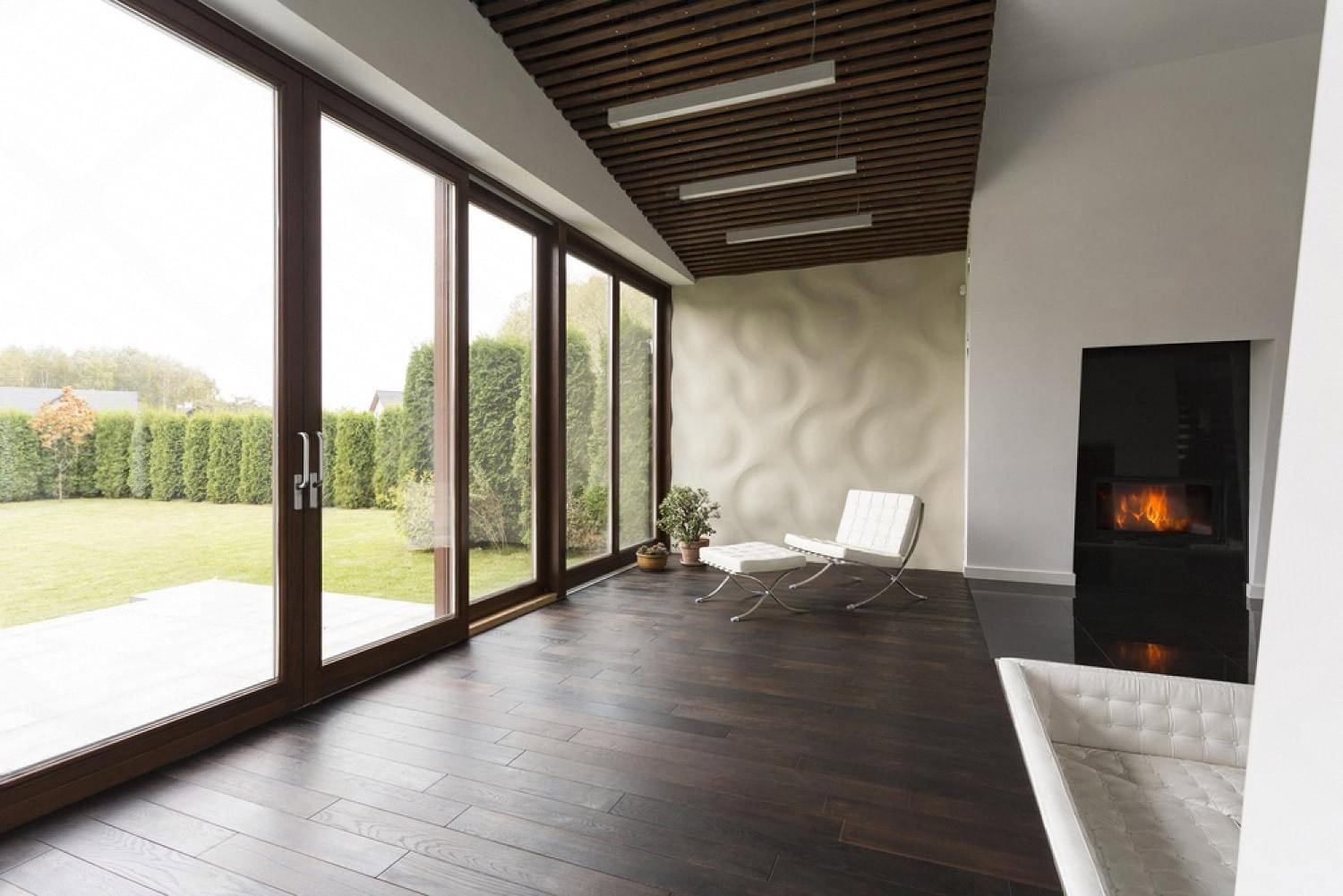
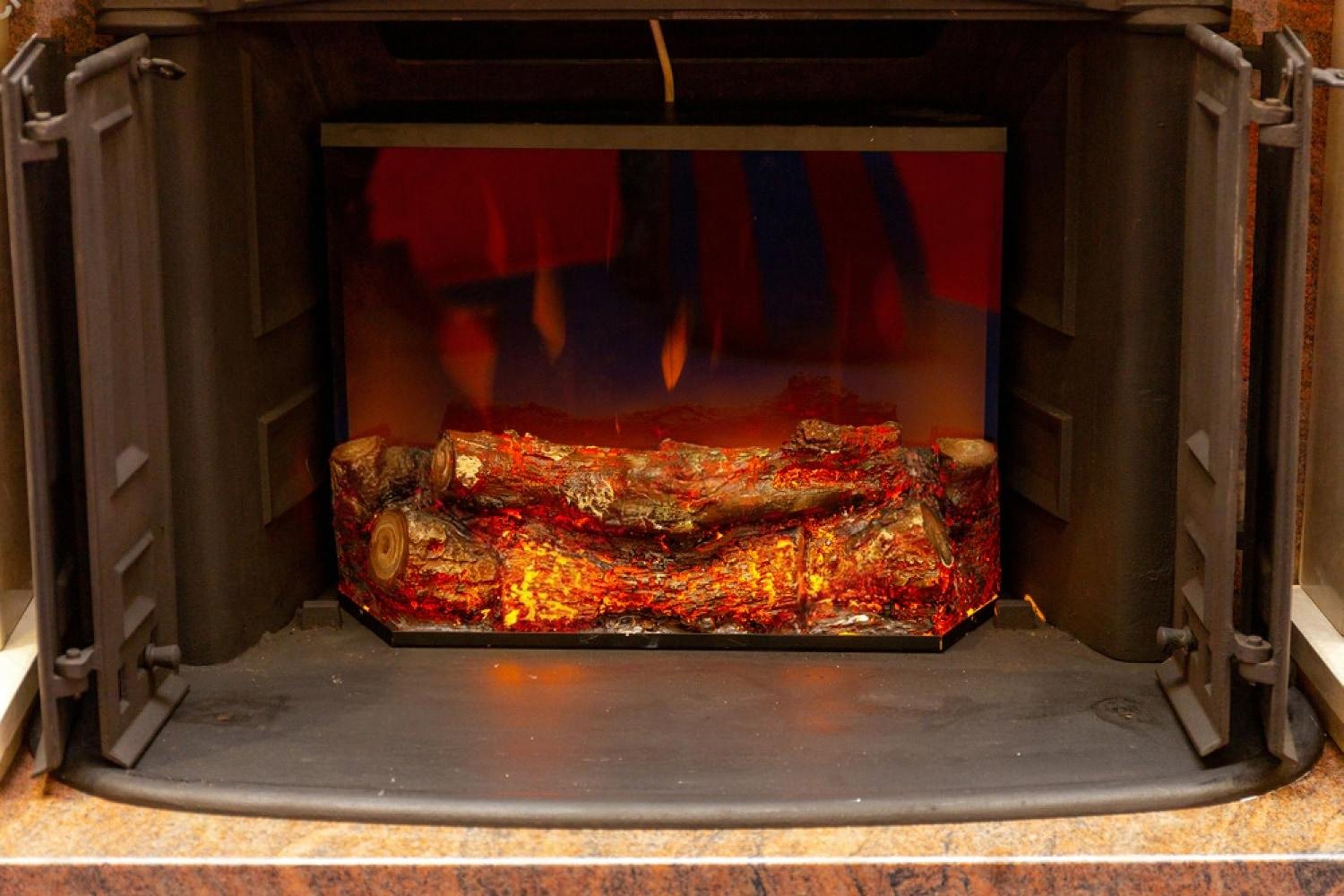
A terrace fireplace or a portable bioethanol hearth is the piece most guests actually gather around. It reads as hospitality, not equipment. For intimate events, private villa dinners in Al Barsha, engagement parties in Jumeirah, small corporate retreats in Hatta, a single well-placed fireplace can carry the entire mood of a lounge zone.
Realistically, a fireplace warms a smaller footprint than a gas tower of similar output, so treat it as a focal point rather than the primary heat source. Pair one hearth with two or three patio heaters around the perimeter and you get both the Instagram moment and the actual warmth.
Myth 5: You can figure out coverage on the day
The single most expensive mistake in outdoor event heating is guessing on-site. Wind direction across a rooftop in Business Bay is not the same at 3pm as it is at 9pm. A courtyard in Old Dubai might have completely still air. A beach venue in Ras Al Khaimah gets steady onshore breeze after dark. Each of these needs a different heater count and layout, and rental companies book out fast in the winter high season.
Cocktail standing
Plan for roughly one gas tower per 8 to 10 guests, positioned along circulation routes rather than blocking them.
Seated dinner
One heater per table of eight, or two overhead infrared panels per table if the setup is under a tent.
Lounge zones
One fireplace as the anchor, plus perimeter heaters at three-metre spacing along the seating.
The pattern that actually works
Mix formats. A rooftop in Downtown Dubai for 120 guests might use eight pyramid gas heaters distributed around cocktail tables, four infrared panels mounted on the pergola over the seated dining area, and one bioethanol fireplace anchoring the lounge. That layered approach means no single point of failure and no cold pockets. It also means the visual language stays consistent, warm amber tones everywhere, no random silver mushrooms crashing the palette.
Book your equipment two to three weeks ahead if your event lands between mid-December and late January. That is peak season for the UAE outdoor calendar, and the nicer heater models sell out first. Confirm cylinder count with your supplier, ask for a spare heater or two on standby, and walk the venue at the same time of day the event will run so you feel the actual wind and temperature before locking placement.
Frequently asked questions
How cold does it actually get during a UAE winter evening?
In Dubai and Abu Dhabi, evenings in December and January typically fall to between 12 and 16°C, with desert and mountain venues going lower. Coastal humidity and light breezes make the perceived temperature several degrees cooler, which is why guests in event attire feel it quickly.
How many patio heaters do I need for an outdoor event?
A common working rule is one gas patio heater per 8 to 10 guests for standing cocktail formats, and one per table for seated dinners. Coverage per unit is roughly a three-metre radius, so spacing and placement matter as much as the total count.
For enclosed or semi-enclosed spaces like tents and pergolas, infrared electric panels mounted overhead often work better than free-standing units.
Are gas or electric heaters better for events in the UAE?
Gas heaters give faster heat, need no cabling, and are ideal for open lawns, beaches and rooftops. Electric infrared heaters are quieter, produce no flame or fumes, and suit covered terraces, majlis tents and photo-heavy setups like weddings.
Most professional planners use a mix of both depending on the venue zones.
Can I use a decorative fireplace as the main heat source?
Not really. A terrace fireplace or bioethanol hearth warms a smaller area than a full-power gas or infrared heater, and it works best as a focal point for a lounge zone. Pair it with perimeter heaters so the whole space stays comfortable, not just the seats nearest the flame.
When should I book heating equipment for a winter event in Dubai?
Reserve at least two to three weeks in advance for events between mid-December and late January, which is peak season for outdoor gatherings in the UAE. The more decorative heater models book out first, so early confirmation gives you the best choice of styles and finishes.
Do outdoor heaters affect wedding or event photography?
They can. Older gas towers produce a bright orange flare that shows up in every wide shot. Modern pyramid-flame heaters and infrared electric panels emit a softer amber glow that photographers generally prefer. If photography is central to your event, mention it to your rental supplier and ask specifically for lower-glare models.
Basketball fan, shiba-inu lover, drummer, International Swiss style practitioner and independent Art Director. Acting at the crossroads of modernism and computer science to create strong, lasting and remarkable design. Nothing ventured, nothing gained.