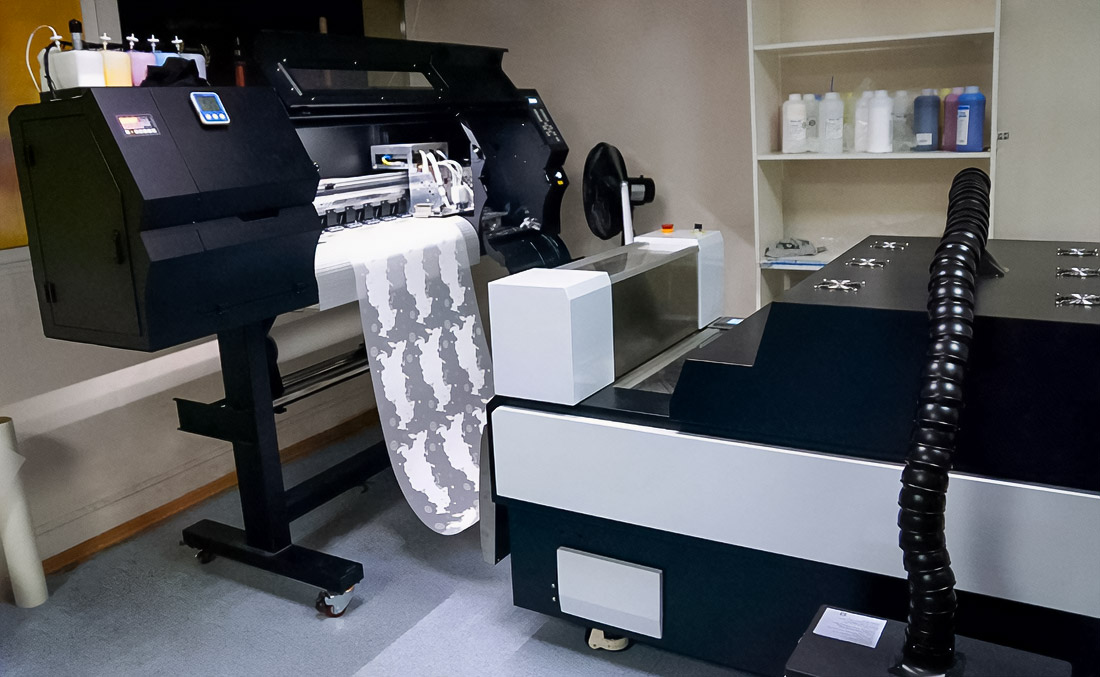
Personalized printing is no longer a niche solution. In 2026, it is perceived as a normal expectation on the part of the buyer, and not as a rare advantage. People are increasingly choosing objects that have a personal meaning, a specific event, or an emotional connection. This applies to clothing, gifts, packaging, interior decoration and souvenirs. Mass-produced goods lose their appeal because they do not create a sense of uniqueness. This is where DTF and UV printing technologies, including direct to film printing, become key tools for flexible production and customization.
Why Personalization Has Become The Basis Of Demand
The customer no longer wants an abstract design. It searches for a name, date, photo, symbol, or visual code that reflects a personal story. Custom gifts, custom products, and customized designs form a stronger emotional bond than standard products. This is especially noticeable in the segment of gifts for special occasions, event merchandise and small series.
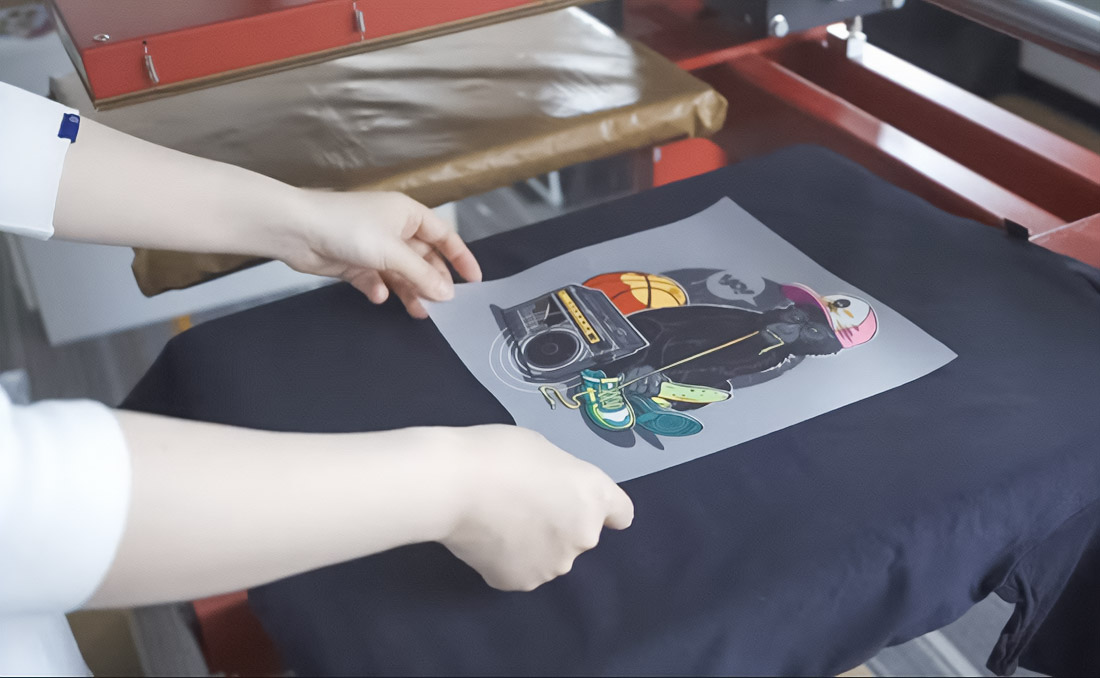
DTF printing is ideal for such tasks. The lack of a minimum print run and the ability to work with small batches make it possible to launch products without the risk of overproduction. Production remains flexible, and ideas can be tested quickly. Image transfer takes only 10–15 seconds at a temperature of about 320°F, which makes the process predictable even with high order volumes.
The cost of printing about $0.03 per square inch gives precise control over the economics of the product. This is important for both single products and large-scale launches.
DTF And UV Technologies: Practicality Without Compromise
DTF printing works with cotton, polyester, and blended fabrics. White ink allows you to print on dark materials without losing brightness. Images retain clarity and color even after repeated washes at temperatures up to 140°F. This makes the technology reliable for casual wear, accessories, and merch.
UV printing expands the possibilities beyond textiles. It allows you to work with wood, metal, glass, acrylic, leather and flexible materials. One of the main differences is texture printing and 3D effect. Layered ink application creates visual depth and tangible texture, which is especially appreciated in interior decor and gift items.
Such surfaces look more expensive. They feel different. This directly affects the perception of the quality and value of the product.
Design, Gifts, And User Experience
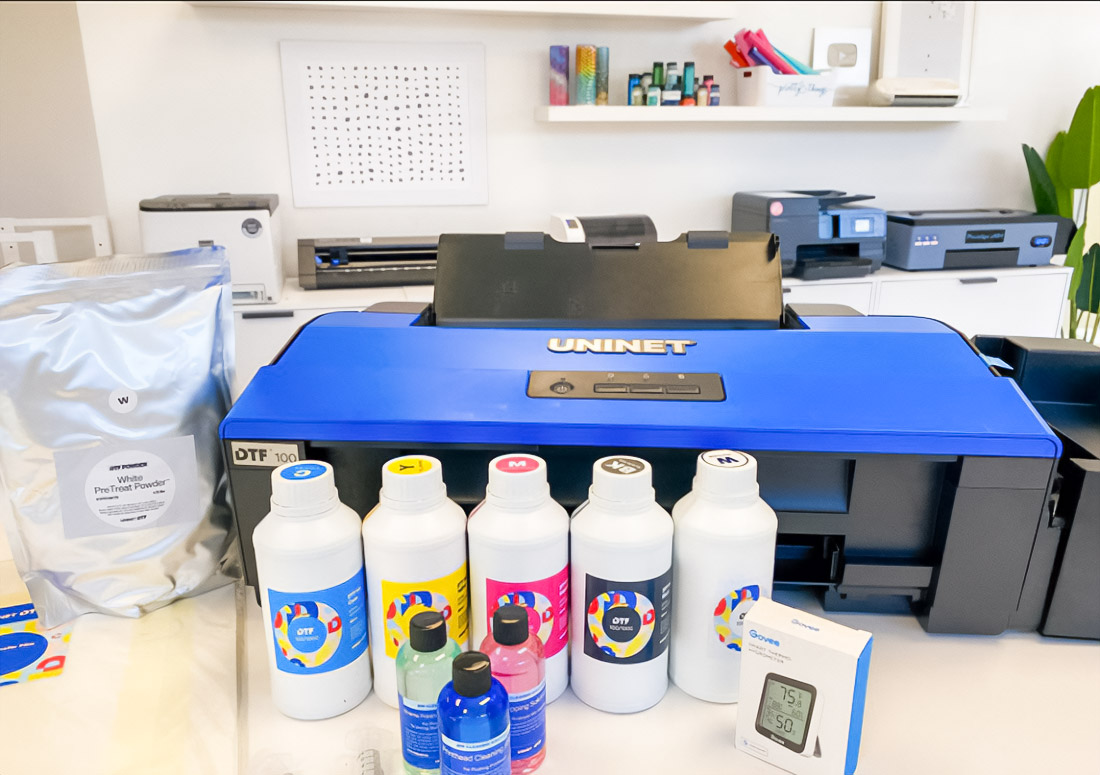
In 2026, the design became more restrained, but not boring. Minimalism, meaningful typography, retro graphics and futuristic elements coexist in one space. What matters is not the number of parts, but their accuracy. Readability, balance, and careful composition come to the fore.
DTF printing conveys fine elements and layered colors well, which makes it convenient for graphic prints and illustrations. UV printing adds volume and tactility. Together they form a complete visual language of the product.
The packaging deserves special attention. Gift boxes and custom packaging become part of the gift itself. Photos, names, and messages turn unpacking into an emotional moment. The user experience begins even before a person sees the item itself.
The production facilities can produce up to 15,000 square feet of print per day, and transfers retain quality when properly stored for 3–6 months or longer. This makes it easier to schedule collections and re-launch them.
As a result, personalized printing in 2026 is not about hardware. It’s about the approach. It’s about speed, flexibility, and the ability to create products that feel personal. This is what creates a steady demand and audience trust today.

Basketball fan, shiba-inu lover, drummer, International Swiss style practitioner and independent Art Director. Acting at the crossroads of modernism and computer science to create strong, lasting and remarkable design. Nothing ventured, nothing gained.